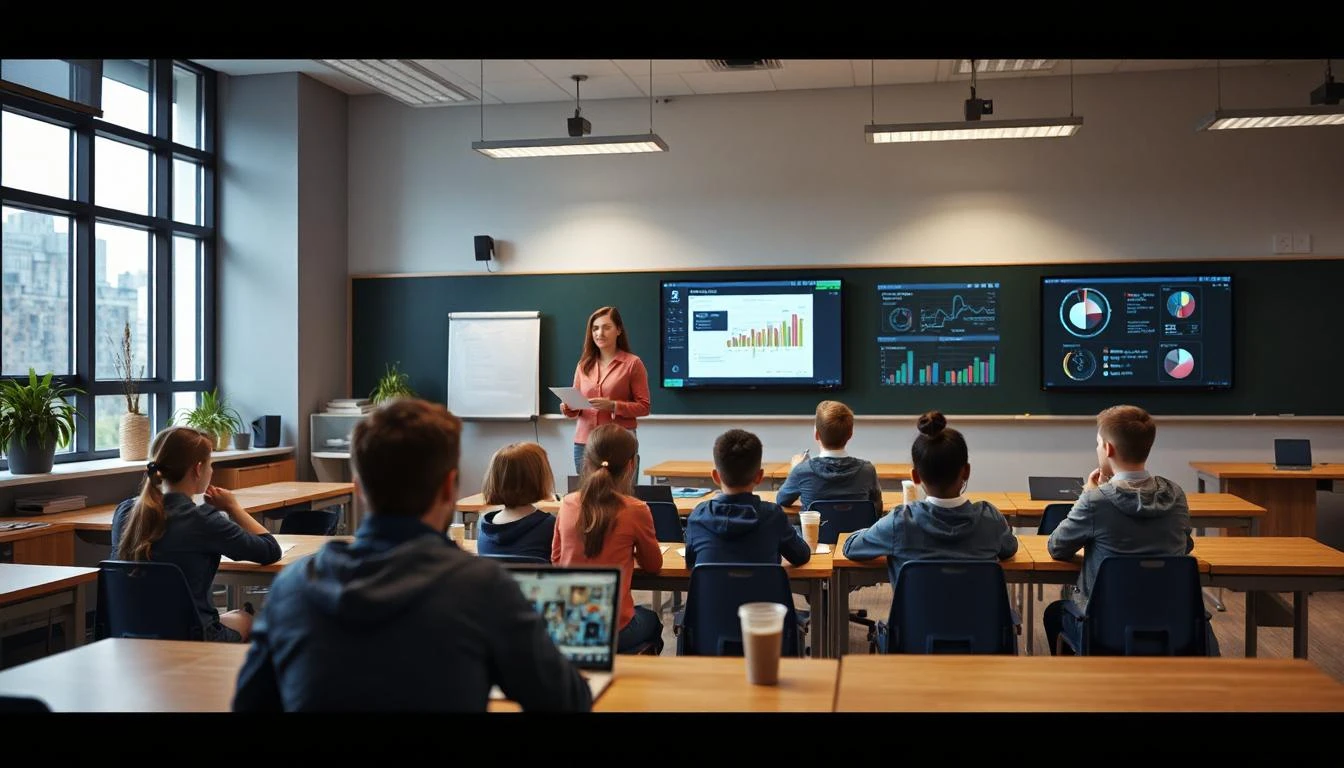
Study Resources Digital Learning Tools 2026

The way people learn is no longer tied to classrooms, rigid schedules, or heavy textbooks. Instead, education has shifted into a fluid digital ecosystem where knowledge moves as fast as a swipe. Learners today are not just consuming information, they are navigating it, filtering it, and reshaping it into personal intelligence systems that evolve every single day.
This transformation has created a global demand for smarter education strategies, and at the center of it all are digital study tools. These tools are redefining how learners interact with content, how educators deliver lessons, and how knowledge is retained across different levels of complexity. The shift is subtle but powerful, almost like education quietly upgrading itself in the background of everyday life.
Modern Study Habits in the Digital Era
Learning habits are evolving faster than ever, shaped by digital environments that reward speed, adaptability, and personalization. Students are no longer passive readers, they are active participants in a constantly updating knowledge network.
Modern education feels more like an interactive dialogue than a one-way lecture. The presence of digital study tools has turned study sessions into adaptive experiences that respond to individual needs in real time.
At the same time, global educators emphasize the importance of structured learning resources that guide students through this overwhelming digital expansion. Without direction, even the most advanced tools lose their impact.
Shift from traditional to digital learning
The classroom has expanded beyond four walls. Learners now access lectures, simulations, and micro-courses from anywhere in the world. Traditional methods still matter, but they now coexist with flexible digital systems that prioritize accessibility and speed. The modern learner is expected to navigate both worlds with ease, blending handwritten understanding with cloud-based efficiency.
AI supported study assistance
Artificial Intelligence has become an invisible tutor for millions of students. From summarizing complex topics to generating personalized quizzes, AI reshapes how learners process information. As education strategist Dr. Emily Carter once said, “AI doesn’t replace learning, it amplifies how humans understand complexity.” This shift makes studying more intuitive, less overwhelming, and surprisingly more engaging.
On demand learning flexibility
Learning is no longer locked into schedules. Students can now study at midnight, early morning, or between daily activities. Platforms powered by adaptive algorithms adjust content delivery based on attention span and performance patterns. It feels almost like the system understands when the brain is ready to absorb more, and when it needs rest.
Essential Digital Learning Tools
Modern education thrives on tools that simplify complexity and expand accessibility. In this evolving ecosystem, learners rely on integrated systems that combine organization, research, and collaboration into one seamless flow.
The expansion of digital study tools has made education more democratic, allowing anyone with an internet connection to access structured knowledge systems that were once limited to elite institutions.
Structured learning resources now come in digital ecosystems rather than isolated materials, making learning more connected and context-rich.
Cloud based note taking apps
Digital note-taking platforms have replaced scattered notebooks with synchronized, searchable knowledge hubs. Students can store text, audio, images, and even links in one place. This makes revision faster and more efficient, especially when preparing for complex exams or projects.
AI powered research assistants
Research no longer requires hours of manual searching. AI assistants can scan academic databases, extract insights, and present summaries in seconds. These tools reduce cognitive overload and help learners focus on interpretation rather than collection of data.
Collaborative learning platforms
Education has become increasingly social. Learners now collaborate in real time across continents, sharing insights and solving problems together. According to Andreas Schleicher of the OECD, “The future of education is not about memorizing answers, but about collaborating to find better questions.” This reflects how deeply collaboration is shaping modern academic success.
Optimizing Study Efficiency with Technology
Efficiency is now the defining factor of academic success. The ability to manage time, focus deeply, and personalize learning paths determines how effectively students absorb knowledge.
Digital ecosystems powered by digital study tools are designed to reduce friction in learning, allowing students to spend more time understanding and less time organizing.
Smart scheduling and productivity tools
Time management apps now go beyond simple reminders. They analyze behavioral patterns and suggest optimal study periods. This creates a rhythm that aligns productivity with mental energy levels, reducing burnout while improving consistency.
Personalized learning dashboards
Dashboards now function like academic control centers. They track progress, highlight weaknesses, and recommend tailored exercises. This level of personalization ensures that no learner is left behind, regardless of pace or background.
Focus and distraction management apps
In a world filled with constant notifications, maintaining focus is a skill. Modern apps help block distractions and create structured study environments. Some even monitor attention patterns to suggest breaks at the right moment, keeping the brain in a sustainable learning cycle.
Start Using Smarter Study Tools for Better Results
Education is entering a phase where intelligence is no longer just about memory but about adaptability. The integration of digital study tools into daily learning routines creates a measurable difference in performance, confidence, and long-term understanding.
As Dr. Emily Carter notes, “Technology becomes meaningful in education only when it serves clarity, not complexity.” This idea captures the essence of modern learning, simplifying the journey without diluting the depth.
The future of education is already unfolding, and it rewards those who engage with it intentionally rather than passively. The shift is not coming, it is already here, reshaping how knowledge is built, shared, and applied across the world.
If there is one decision to make today, it is whether to continue with traditional habits or step into a system that evolves with you.
Take that step forward and explore how smarter learning can redefine your results.